
Farm+ is a dedicated special interest advocacy campaign committed to rigorous ground research, ecosystem analysis, and active fact-checking. Working alongside industry stakeholders, community partners, and parliamentarians, works alongside existing structures and systems to improve and innovate. Farm+ advocates for a comprehensive, forward-looking Farm Bill tailored specifically to the realities and resilience of our city-state.
Regarding AQUACULTURE the government’s financial backing is heavily structured around high-tech capability building, scientific research, and industry transformation. This strategy is primarily driven through technical grants and relief packages, while direct intervention measures—such as operational subsidies, nationalisation, protectionism, or funding baseline farm overheads—are generally avoided.
Farmers clamor for off-takes and direct assistance nonetheless. However, there are accessibility hurdles as many struggle to qualify. Matching capital requirements, engineering upgrades, and stringent productivity milestones (e.g., meeting minimum output thresholds or migrating to high-tech closed systems) are cost-prohibitive for small coastal operators. So, instead of direct cash handouts, government assistance for traditional or smaller-scale farmers is channeled through risk-mitigation measures (such as early warning systems for algal blooms/low oxygen events), infrastructural facilitation, and assistance to pivot toward more productive farming methods.
Often, there is a mismatch even though everyone is aligned in the national interest.Within this framework, Quasi-Autonomous Non-Governmental Organisations (QUANGOs) act as vital market intermediaries to bridge ground-level supply and demand gaps. Backed by government funding, seconded civil service staff, and multi-year operational grants, these entities deploy expertise across food security, climate resilience, venture funding, nutrition, and fish health to help local producers scale toward regional markets.
Concurrently, private-philanthropic Associate Firms—supported indirectly by state ecosystems—leverage extensive networks of foreign partners, venture capital, and deep science research to advance rapidly. This creates a distinct contrast with individual farms: a network of multi-generational, educated, and creative farmsteaders who must independently carve out survival models—whether vertically integrating into downstream retail and restaurants (such as Supermarket Chains) or forming horizontal alliances.
Over the past decade (2016–2026), Authorities and Agencies in Singapore directly disbursed and spent an estimated SGD$117.5 million across three key aquaculture categories:
In addition to direct farm funding, quasi-autonomous non-governmental organisations (QUANGOs) are funded to bridge policy execution and market demand. Across a SGD$27 million total budgeted pool, an estimated SGD$18.5 million was spent on QUANGO-related capabilities without unrecovered capital losses, categorised as follows:
Over the past decade (2016–2026), government spending on aquaculture through research institutions, tertiary centers, and related innovation platforms represents the largest single area of public investment, totaling SGD$115 million disbursed and spent out of an allocated SGD$150 million budget pool. This spending is categorized across three main areas:
Over the past decade (2016–2026), an estimated SGD45 million to SGD65 million in combined operational funding, philanthropic grants, and seed capital was deployed across three main categories:
Farmers list farm insurance, more supporting physical infrastructure, a farmer's bank, local feed stock-storage, cooperatives and credit unions as wants. These may be knee jerk reactions to glaring industry problems orr due to a perception of unfairness compared to overseas farms (Malaysia) or other industries that receive more help (private hire vehicles). The difficulties in communicating policy intent or the repercussions of unsuccessful intervention are often lost in translation or mired in poisonous gossip or runaway emotions, stirring up fast followers online, many of whom join due to other grievances unrelated to farming.
Farm+ presents the case for farmers, and for farms to thrive. Farmers risk much with their capital, human safety and health.
Get our bumper stickers, follow parliamentarians on their private bills and call for feedback, get involved in the countryside (KCA), learn about food labelling and watch endless documentaries (Kiss the Ground)!
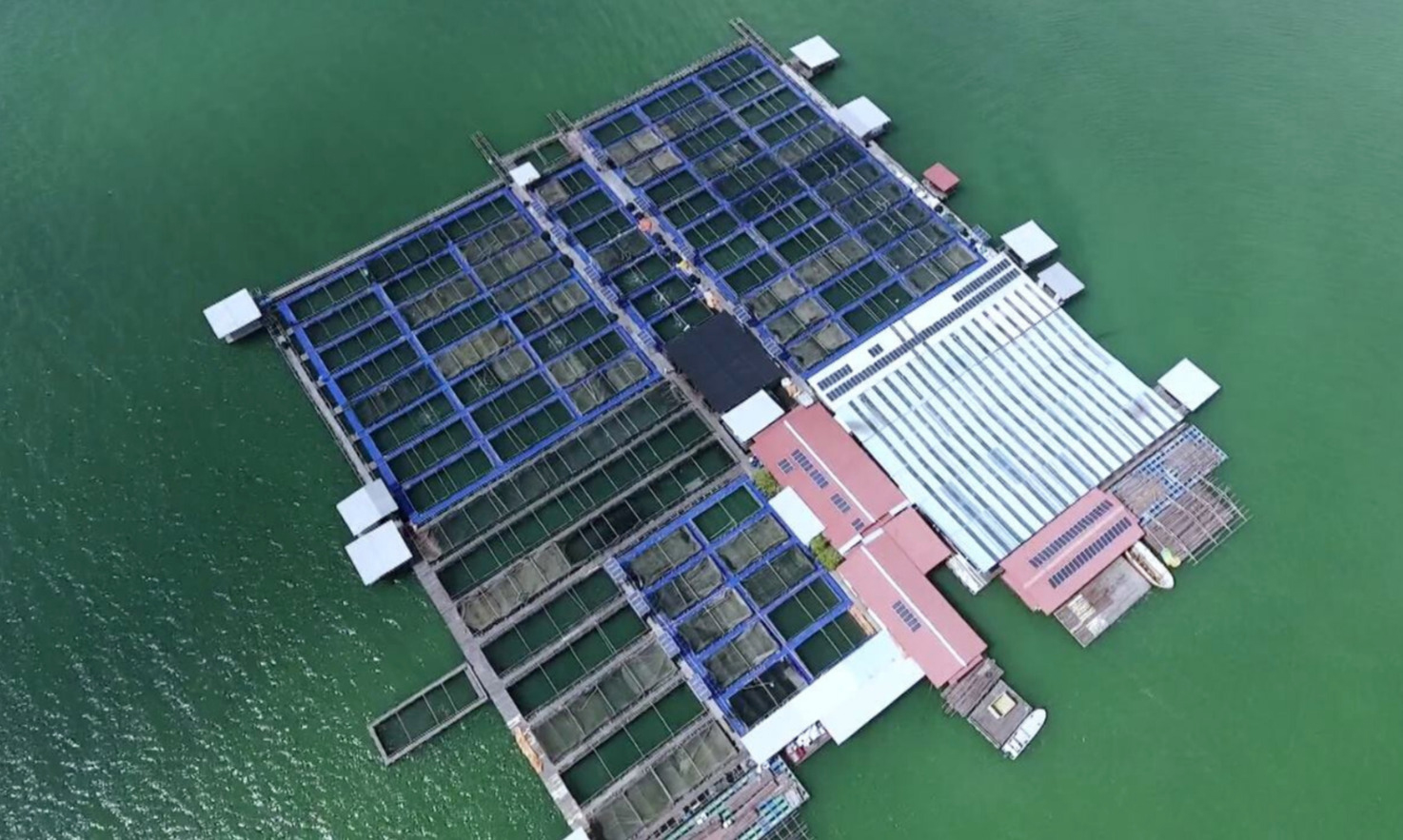
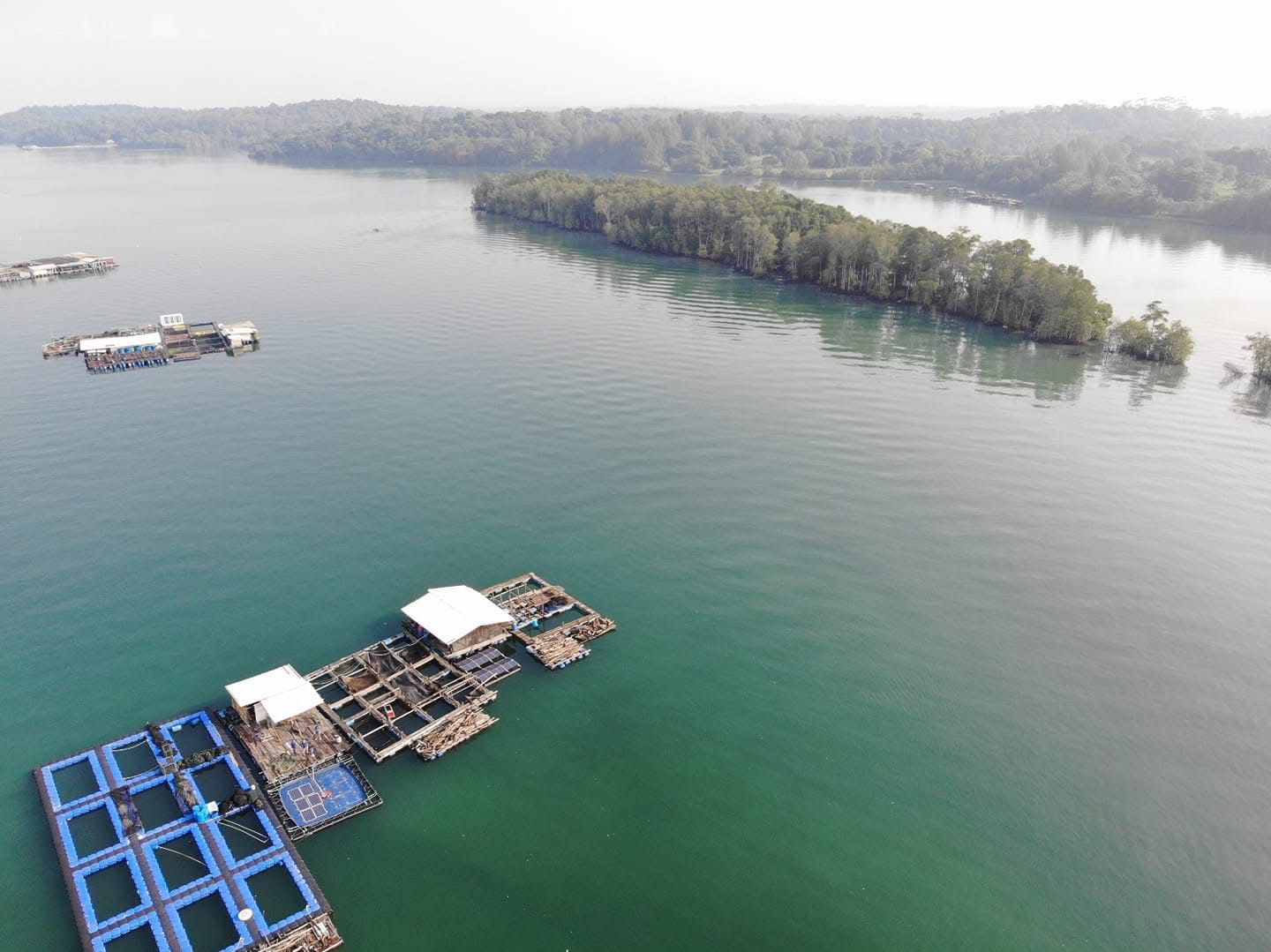
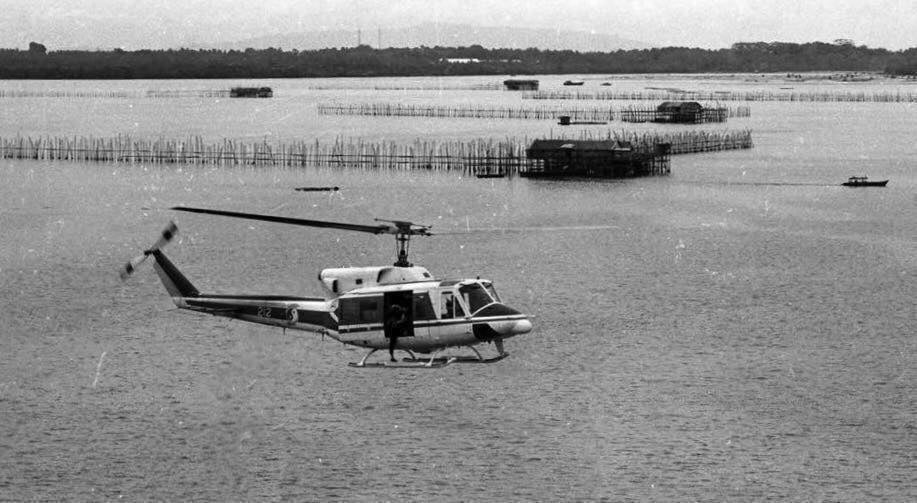
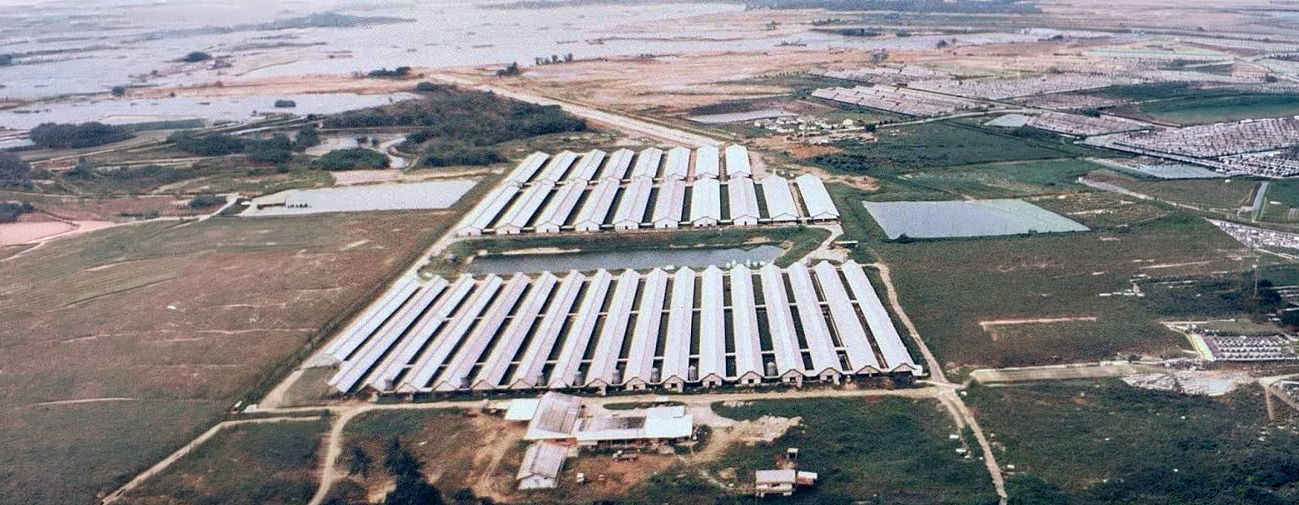
Traditional sea-based net-cage farmers generally do not receive innovation grants or operational subsidies because they are regarded as not innovative and pollutive. A carrying capacity study conducted by foreign consultants commissioned by the government reiterated the pollution per se due to untreated fish waste and organic feed, which enriches the sea more than the norm. There is also a worldwide pushback against open-cage farming in Canada, Australia and Norway. In short, the recommendation is to move toward closed containment systems (RAS) because they are deemed nature-friendly, even in nature hotspots like the southern islands.
Show that open cage farms are actually sanctuaries for wild fish and wildlife where real estate in the sea is a premium. These open cage farms become nurseries, actively managing waste and upcycling through sponges, mussels, barnacles, corals, seaweed, shrimps, crabs, oysters and more. This in turn attracts the migration of larger fish and creates a hub of activity. We will move on this, which some call a Fisheries Improvement Project (FIP) and others call Ocean movements. Many foundations and grants are willing to help and collaborate with farmers and folks with good intentions. Researchers have conducted many localised studies on fish movements, seabed analysis, and other factors, showing that the island state has living, migratory and well-adjusted marine life, notwithstanding.
There is a lack of supporting infrastructure for small scale farmers and the industry is tilted toward imports dominated by processors, merchants and traders. Farm inputs are all imported and even farmhands are foreign-originated. Hence, small-scale farmers must manage farm planning, costing, fish health, marketing and sales, logistics at sea and land and a myraid of regulations to stay afloat. There is no insurance for property and fire, no livestock insurance, no credit facilities, and no protection from price fluctuations. The recent COVID-19 pandemic, the Iran War and Oil Spills all exposed and magnified these problems. What can be done to help farms effectively?
Show that small scale farms are the bedrock of food security, as they come from a long heritage even before the nation's founding. The skills, knowledge and stickability of small scale farms form the basis of self-help, and local mobilisation, as these farms can produce the required tonnage and scale up. There is just no incentive to do so. Worse, there are counterarguments against doing so, given the lack of spirited follow through. Think of how the nation solved public housing vs the aspirations to enter the World Cup in football. Support Local campaigns fall flat due to a simple lack of cultural depth in the young nation, whose populace is taught to think in English and constantly plugged into global best practices. Countryside association help bring the young closer to farming, agritainment tenders help, but much more is needed in national education.